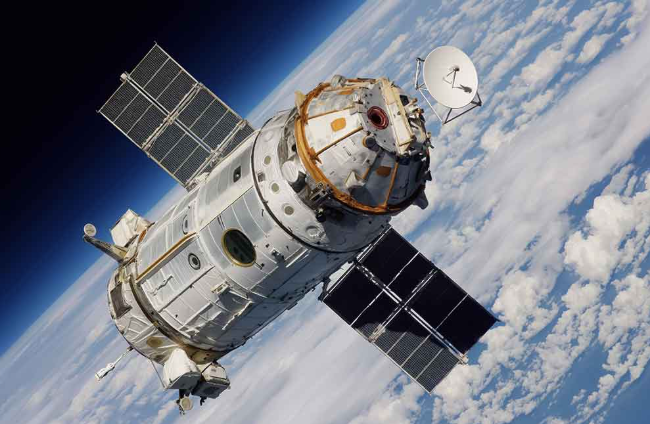
Technology serves as a cornerstone in the realm of space exploration, significantly enhancing humanity’s capabilities. Advances in propulsion, materials, and data communication have revolutionized spacecraft effectiveness. Robotics and artificial intelligence contribute to safer, more efficient operations in hostile environments. As these innovations unfold, they raise critical questions about the future of human presence beyond Earth. What does this mean for our ambitions in colonization and sustainable living in space?
The Evolution of Spacecraft Technology
The trajectory of spacecraft technology has undergone remarkable transformations since the dawn of space exploration.
Advances in rocket propulsion have enabled increased payload capacities and efficiency, while the development of innovative spacecraft materials has enhanced durability and reduced weight.
This evolution not only broadens humanity’s reach into the cosmos but also embodies the spirit of exploration and the pursuit of freedom beyond Earth’s confines.
Innovations in Data Collection and Communication
As humanity ventures deeper into the cosmos, innovations in data collection and communication play a crucial role in enhancing the effectiveness of space exploration missions.
Advances in sensor technology improve the accuracy and range of data transmission, enabling spacecraft to gather critical information from vast distances.
These developments not only facilitate real-time communication but also empower scientists to analyze data more efficiently and make informed decisions.
Overcoming Challenges With Robotics and AI
While the vastness of space presents numerous obstacles, the integration of robotics and artificial intelligence (AI) offers innovative solutions to these challenges.
Robotic autonomy allows spacecraft to operate independently, enhancing mission efficiency. Meanwhile, AI navigation systems improve route planning and obstacle avoidance, ensuring safer journeys.
Together, these technologies empower exploration, enabling humanity to transcend earthly limits and embrace the freedom of the cosmos.
See also:newsgama
Preparing for Future Colonization: The Role of Sustainable Technologies
Advancements in robotics and AI lay the groundwork for future space colonization, where sustainable technologies will play a pivotal role in the success of extraterrestrial habitats.
By integrating renewable energy sources, such as solar and wind power, colonies can minimize resource depletion and environmental impact.
These innovations not only ensure survival but also promote the freedom to thrive in new, uncharted worlds.
Conclusion
In the grand tapestry of space exploration, technology weaves a vibrant thread, illuminating the path toward the unknown. As advancements in spacecraft, data communication, and autonomous robotics converge, they not only solve the puzzles of today but also lay the foundation for humanity’s next great leap. With sustainable technologies as the keystone, the dream of colonizing distant worlds transforms from mere fantasy into an imminent reality, beckoning explorers to venture forth into the cosmic abyss.